Light painting with an ipad
Interesting vid that captures the process of using an ipad to 3 dimensional text and objects which are then photographed and animated.
Making Future Magic: iPad light painting from Dentsu London on Vimeo.
Interesting vid that captures the process of using an ipad to 3 dimensional text and objects which are then photographed and animated.
Making Future Magic: iPad light painting from Dentsu London on Vimeo.
Stumbled upon this wicked series that re-imagines 1977 as if the tech from today existed then. View the full set
Hats off to BBH New York and Google Creative Lab for crafting an excellent way to demonstrate the speed of chrome while at the same time providing visual candy.
Equipment used:
- Computer: MacBook Pro laptop with Windows installed
- Monitor – 24″ Asus: We had to replace the standard fluorescent backlight with very large tungsten fixtures to funnel in more light to capture the screen. In addition, we flipped the monitor 180 degrees to eliminate a shadow from the driver board and set the system preferences on the computer to rotate 180 degrees. No special software was used in this process.
- Camera: Phantom v640 High Speed Camera at 1920 x 1080, films up to 2700 fps
With the excitement building around Apple’s announcement of a tablet device rumored to be called the iSlate – I hope in 2010 we’ll see digital magazines and books step into the transmedia fold. The integration between apps, APIs, and a strong movement towards standardizing “activity streams” across social services present fertile ground for transmedia storytelling. Character extensions, augmented reality, supporting materials, back stories, experience hyperlinking that ties into online / offline events not to mention real-time interactions between readers all are fuel for rich transmedia experiences. A re-design of what a book and / or magazine experience can be, have the potential to shake some of the issues that the publishing industry has been struggling with lately. Could Apple’s announcement and new tablet usher in a next gen of a print experience? Hardware has the potential to change consumption behavior. It also has the opportunity to establish new revenue streams something that the publishing industry desperately needs. But the content needs to be something that readers will seek out and most importantly something that creates a quality experience while containing a strong value proposition. Only time will tell if readers are ready and if the publishing industry is up for the challenge of innovating a print experience that defies convention.
The following vid shows some nice design concepts around a tablet and the rethinking of a magazine. What I’d like to see is a rethink on the content, interactions and transmedia extensions – it seems like this could be the prefect time to rethink the digital print experience. To me the real excitement is how a tablet can become a storyworld gateway and in many cases it won’t be what the editor places on screen – it will be the connections between.
(hat tip 4 the vid Film Futurist )
Multitouch + gestural motion tracking = bi-directional display technology
We’ve been experimenting with HTML5 and applying it to some interactive storytelling concepts. The following is an intro to HTML5.
Introduction to HTML 5 from Brad Neuberg on Vimeo.
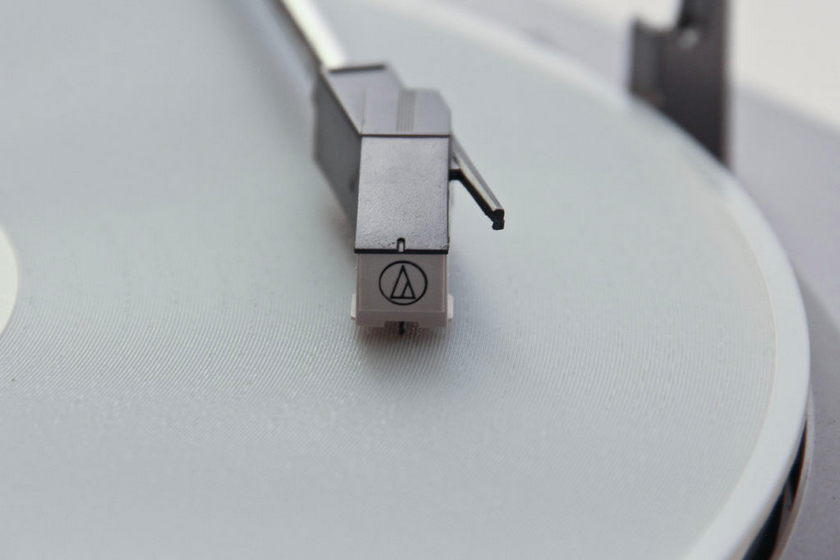
Looking for easy ways to digitize your vinyl or use your laptop as a recording device?
Behringer UFO202 U-Phono High-Quality USB Audio Interface with Built-In Phono Preamp
PRICE: $30
Robert Scoble spends some time with the WAZE team. The following video is an overview of a crowdsourced traffic mapping / info app for mobile devices that uses drivers to report on various driving conditions. One aspect that caught my attention was the simple feature that turns your car into packman. Nothing like an old school game of GPS packman.
Here’s how the WAZE site describes the offering: “Real-time maps and traffic information based on the wisdom of the crowd. Waze is a FREE social mobile application providing free turn-by-turn navigation based on the live conditions of the road. 100% powered by users, the more you drive, the better it gets.”
Over the course of 9 days Marc Horowitz and Peter Baldes travel across America via google maps and pick up 150 virtual hitchhikers along the way. Meet Google Maps Road Trip. In this episode of RADAR Marc and Peter share their journey and take some lucky folks on a virtual ride through NYC.
This is awesome!

The EyeWriter project is an ongoing collaborative research effort to empower people who are suffering from ALS with creative technologies. It is a low-cost eye-tracking apparatus & custom software that allows graffiti writers and artists with paralysis resulting from Amyotrophic lateral sclerosis to draw using only their eyes. For more info visit http://www.eyewriter.org
I’m a fan of MakerBot “robots that make things.” I got to spend some time with the MakerBot team a few months back. We shot an episode of RADAR with them which will be airing later this year and I wrote about them in the current issue of Filmmaker Mag. The following is a cool bts look at the transformation from 3D render to physical object.
(hat tip: bre from MakerBot)
I recently contributed a post to Thompson on Hollywood. There’s been quite a bit of talk about the woes of the industry and I thought I’d contribute something to the discussion that focused on some simple steps towards the future.
Where the industry goes from here is going to require a rethinking of the infrastructure that supports it. To realistically move forward, innovation, experimentation and R&D is needed to help create an OPEN framework that will improve the funding, creation, distribution and discovery of truly independent work.
Here are some thoughts:
1. Keep it Open. As the industry shifts, it is key to build the next generation of discovery, creation, and distribution upon systems that embrace the following:
– Open software/hardware that encourages innovation and rewards improvements on functionality.
– Open business models that enable filmmakers, distributors, exhibitors, and audiences to sell, trade, and share films in ways that directly reward performance and encourage a healthy sense of competition.
– Transparency: In the age of connected devices and the real-time web, there is NO reason why tracking, performance and reporting can’t be accessible in real-time.
:: Read More
As chips get smaller and resolution increases we’re not far off from mobile phones that will shoot HD or small hand held projectors that will enable screenings virtually anywhere. The following is a concept design by Miika Mahonen for a Nokia device called the Pulse. Even though it doesn’t exist it’s not hard to imagine that it soon will. But it does tease an interesting range of possibilities.


I’m always on the hunt for ways to aggregate the data that surrounds my life. A way to combine my online activities while streamlining the discovery of things that I find interesting. Then there’s the desire to share those items with others and in the process see what interests them.
I’ve tried various start pages and feed aggregators. Some have been browser based others desktop apps. I’ve signed up, logged on and tested mores services and solutions then I care to recall. Which brings me to my current obsession.
Streamy is a hybrid – part feed reader, part start page, part social aggregator. This incarnation is relatively new and currently in beta. It’s an impressive service with a nice degree of customization. Where Streamy shines is in the way that it integrates IM (aim, live, gtalk, yahoo), facebook, twitter, digg, flickr, and friendfeed in addition to normal feed reader functionality. The interface is smooth and intuitive making it easy to get up and running. The final ingredient that makes Streamy standout is the ease of sharing stories with others on the platform. There are friend sharing and follow features, ways to create groups along with IM and Chat functionality that is dedicated to the Streamy platform. The following is a screen cast that provides an overview of the service.
This post from BusinessWeek touches on some interesting issues regarding copyright and the emerging realities of a real-time web.
Copyright law wasn’t written with today’s content consumption in mind. The way online video copyright functions is based on a reading of the 10-year-old Digital Millennium Copyright Act that equates video hosting sites with Internet service providers. That law provides a “safe harbor” for hosts who respond to copyright claims by taking down infringing content “expeditiously.”
There doesn’t seem to be widespread motivation to modernize that process. Viacom is suing YouTube for $1 billion , claiming YouTube should take more responsibility than the current reading of DMCA requires — but that’s plodding along in the courts . Meanwhile, Internet users are sharing and consuming content at a furious rate. And what’s being called the “real-time web” is even less equipped to deal with copyright infringement. READ MORE
Lance, I’ve been reading this same argument about the need to modernize copyright for 15 years. The problem seems to be that there is no will, desire or understanding from capitol hill to change anything. There is a can of worms aspect here that large corporations are desperate to keep a lid on: “fair use.”
I wouldn’t hold my breath for any change soon as it can take forever for case law to get to and through the supreme court.
I agree but what struck me about this is the impact that real-time streams have when combined with storytelling. We’re moving into a social entertainment phase where the way stories are told, delivered and experienced will only further challenge what is copyright. Especially as audiences move from passive to story contributors.
@milesmaker 7:59 am on November 27, 2009 Permalink
WOW–count your blessings!